

 See My Latest Article on HelloNation
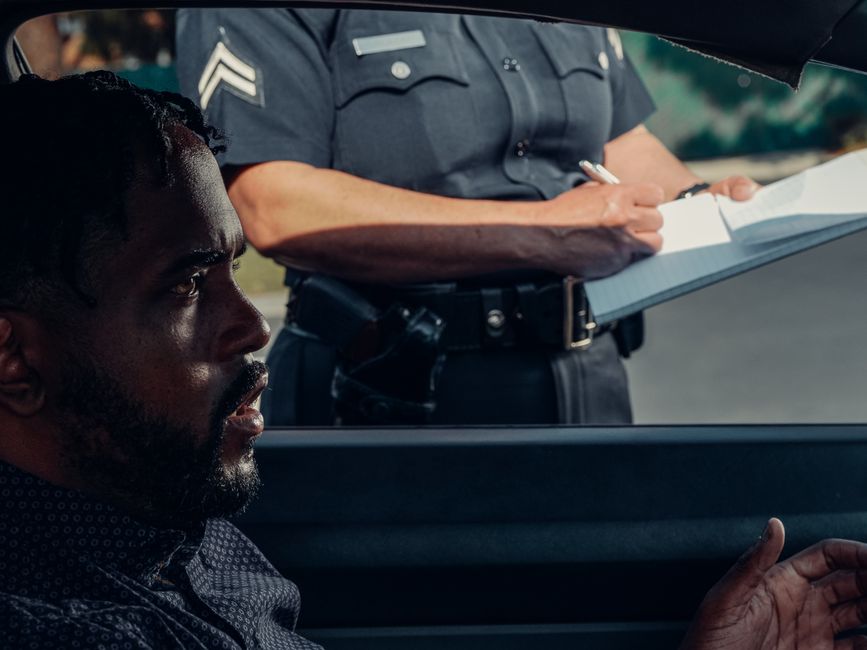
Do you have to appear in traffic court?
In Fayetteville, NC, receiving a traffic citation does not always mean you must physically go to court. Some North Carolina traffic charges may be resolved by paying the required amount, waiving the hearing, or using an available online process. Other charges require an appearance before a judge.
The court date printed on the citation is the safest starting point. A person should not assume that a ticket can be paid simply because it appears minor. The specific charge, the way it is written, and whether other charges appear on the same citation can determine whether attendance is mandatory.
How can you tell whether your appearance is required?
Review the citation carefully for:
- The exact charge or charges
- The scheduled court date and time
- Any notation stating that appearance is mandatory
- Instructions about waiving the charge, paying online, or requesting a reduction
- The county where the case must be handled
North Carolina maintains schedules identifying traffic offenses that may be waived and offenses that require a court appearance. The issuing officer does not decide whether a charge is waivable. That determination comes from North Carolina court rules and the applicable offense schedule.
If the citation lists a charge that is not eligible for waiver, the person charged generally must appear unless the court approves another legally authorized arrangement.
Which traffic charges commonly require a court appearance?
Mandatory-appearance rules can change, and multiple charges may affect the result. Common categories that may require attendance include:
- Any charge for which the person pleads not guilty
- Felony traffic offenses
- Driving while impaired
- Driving while a license is suspended, revoked, or disqualified
- Certain commercial-driver licensing or disqualification offenses
- Some ignition-interlock violations
- Certain offenses involving fictitious, altered, canceled, or revoked licenses
- Charges involving serious speed allegations or other specially designated violations
- Any charge listed on the same citation as a mandatory-appearance offense
This list is not exhaustive. A charge that might normally be waivable can become part of a mandatory court appearance when it is combined with another offense or when the citation contains facts that place it outside the waiver rules.
A not-guilty plea also generally requires an appearance. If a person wants to contest the charge, the case cannot simply be resolved by paying the listed amount as though responsibility were admitted.
Does a speeding ticket always require court?
No. Many ordinary speeding charges may be eligible for waiver or an online reduction request, depending on the alleged speed, posted speed limit, prior circumstances, and the language on the citation.
Certain speeding allegations are treated differently. For example, higher-speed violations, charges involving especially serious alleged speeds, or speeding charges combined with other offenses may require a court appearance. A driver should verify the actual options for the citation rather than relying on the general belief that “speeding tickets can be paid.”
Paying a waivable ticket is usually treated as waiving the right to contest the charge. It can also result in a conviction or responsibility finding that may be reported to the Division of Motor Vehicles and may affect driving or insurance records.
Can a lawyer appear instead of the person charged?
Sometimes a written waiver of appearance may allow an attorney to appear for a defendant in an eligible case. This is not automatic. The charge, the plea, and the court’s approval requirements matter.
For some matters, the person charged must personally appear. This can be particularly important when the case involves impaired driving, a license-related offense, a felony, a required plea before a judge, or a matter in which the court needs information directly from the defendant.
A person should not assume that sending someone else, including an attorney, is permitted without confirming the procedure in advance. Failure to appear can create additional consequences even when the person believed the case was being handled.
Where must you appear if the ticket was issued outside your home area?
A person who must appear generally needs to attend court in the county where the citation was issued. Living in Fayetteville or having a driver license issued elsewhere does not usually transfer the case to another county.
Some eligible citations can be waived online or by mail, which may eliminate the need to travel. If the case is contested or the charge requires an appearance, the location listed on the citation controls unless the court authorizes a different arrangement.
This issue can matter for residents who receive a ticket while traveling, commuting, or driving through another part of North Carolina. The home address on the license does not determine where the case will be heard.
What happens if you miss the court date?
A missed court date can lead to more than an inconvenience. The case may be marked “called and failed,” and the court may issue a failure-to-appear notice or additional fee.
For a motor vehicle offense, the court can notify the North Carolina Division of Motor Vehicles. If the case is not resolved, the driver’s license or driving privilege may be suspended. The suspension can remain in place until the person resolves the underlying case and any related requirements.
In some misdemeanor cases, an order for arrest may also be possible. Infractions are handled differently, but failing to appear can still create a summons, added costs, DMV consequences, or other complications.
If a court date was missed because of illness, transportation problems, an emergency, or a misunderstanding, the person should promptly ask the clerk’s office in the county where the charge was filed what procedure applies. Calling does not automatically cancel a failure to appear, but it can clarify the next required step.
What should you bring to traffic court?
A person attending court should bring:
- The traffic citation
- A valid photo identification
- Any required license, registration, or insurance documents
- Proof of correction for a correctable issue, such as an equipment or inspection problem
- Relevant records, photographs, or other documents
- Information about any online request or prior payment connected with the case
Arrive early enough to pass through security, find the courtroom, and check in as directed. Courthouse procedures can involve waiting, calendar calls, and several cases being handled during the same session.
Seasonal storms, heavy rain, construction, and traffic congestion can affect travel across the area. Building extra travel time into the plan is especially useful when the appearance time is early or the courthouse is unfamiliar.
What if the citation contains a mistake?
A mistake on a ticket does not necessarily make it disappear. Minor errors may be corrected, while other problems may affect how the case proceeds. The court, not the driver, determines whether an alleged defect requires dismissal or correction.
A person who believes the citation is inaccurate still needs to follow the appearance instructions unless the court confirms that the case has been dismissed or otherwise resolved. Ignoring the ticket because of a spelling error, incorrect vehicle detail, or disagreement with the officer can lead to a failure to appear.
Why should the citation be checked before paying?
The most important question is not simply, “How much is the ticket?” It is whether the charge can be waived and what consequences may follow from doing so.
Before paying, a driver should confirm:
- Whether a physical appearance is required
- Whether an online reduction or dismissal request is available
- Whether payment admits responsibility
- Whether the result may affect license points or insurance
- Whether additional charges appear on the citation
- Whether a correction document must be submitted by a deadline
Traffic court procedures are governed by North Carolina law and court schedules, so general advice cannot replace the instructions on the specific citation. When the charge involves a mandatory appearance, a possible license suspension, impaired driving, a commercial license, or a missed court date, careful attention to the official court process is especially important.